Lexus V8 Engines for Sale: Genuine V8 Engine
Explore High-Quality Engines for Sale: What to Consider
While searching for quality engines for sale, various critical factors must be considered. Buyers must examine the engine type that matches their power requirements and fuel preferences. Furthermore, understanding the engine's specifications and state is critical. A careful examination of potential sellers can highlight dependable alternatives. However, the journey doesn't stop there. Compatibility with the vehicle is important, and budget considerations further complicate the process. What additional aspects should buyers consider?
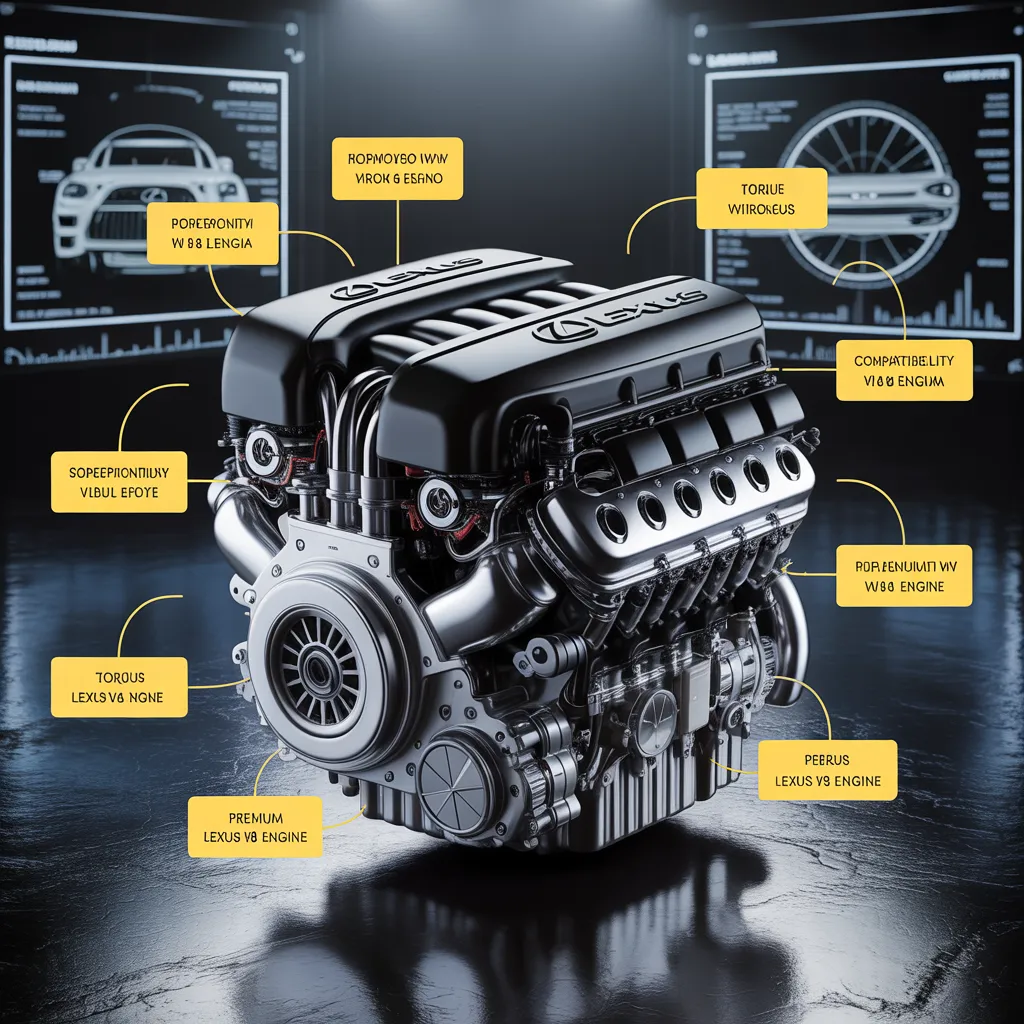
Understanding Various Engine Types: Which One Fits Your Needs?
When choosing an engine, what determines which type is most suitable for particular requirements? Familiarity with various engine classifications is necessary for making a sound choice. Engines are typically classified into gasoline, diesel, and electric types. Gasoline-powered engines are recognized for their strong performance and swift acceleration, hence their prevalence in sports cars. Diesel engines, on the other hand, are lauded for their fuel efficiency and torque, ideal for heavy-duty applications. Electric engines are attracting attention for their ecological advantages and low upkeep costs, well-suited for urban transportation.
Moreover, factors such as the car's intended use, financial plan, and personal preference substantially influence the choice. Enthusiasts may prioritize horsepower and speed, while others might prioritize longevity and reliability. At the end of the day, understanding these variations allows individuals to choose an engine that corresponds to their specific demands, ensuring the best performance and satisfaction.
Motor Condition: New, Used, or Remanufactured?
How do you evaluate the condition of an engine when thinking about a purchase? The choice between new, used, or remanufactured engines significantly impacts both performance and durability. A new engine ensures the highest reliability and warranty protection, well-suited for those seeking a fresh start. However, it comes at a premium price. Used engines can be more affordable but may present risks regarding wear and potential hidden issues. Buyers need to review the engine's past records, mileage, and any previous repairs to assess its reliability.
Remanufactured engines provide balance, offering components restored to factory specifications, offering a blend of quality and cost-effectiveness. It's vital to source from trustworthy sellers who deliver detailed inspections and warranties. Finally, the decision rests on budget, performance expectations, and the intended application, demanding careful consideration of each engine type's advantages and disadvantages.
Critical Engine Specifications: Power, Displacement, and Fuel Kind
Understanding engine specifications is crucial for making an informed purchase decision. Critical metrics such as power, size, and fuel type significantly influence an engine's performance and suitability for a specific application.
Power is generally measured in HP or kW, giving insight into an engine's potential to execute work efficiently. Purchasers should evaluate their demands to guarantee the engine satisfies or surpasses needed power levels.
Engine size, often expressed regarding displacement (liters or cu. in.), influences both performance and compatibility with existing equipment. A correct fit is vital for maximum operation and longevity.
Fuel type represents another key factor to consider. Motors can operate on gasoline, diesel, or alternative fuel sources, with each providing distinct benefits and drawbacks. Comprehending fuel needs can affect operating expenses and environmental factors.
Discovering Reputable Sellers: How to Know Who to Trust?
What criteria should buyers consider to identify trustworthy engine sellers? First, reputation plays an important role; potential customers should find vendors with strong reviews and recommendations from earlier buyers. Investigating digital forums and social platforms can give perspective on a vendor's credibility. Secondly, transparency is essential; credible vendors should easily furnish complete data about the engine's history, containing all maintenance and repair history. The third consideration, warranty provisions demonstrate vendor assurance; a comprehensive warranty can indicate a vendor's responsibility for their merchandise. The fourth aspect, assess the seller's background in the business; well-established companies are typically more dependable than newcomers. In conclusion, clear communication is vital; vendors who communicate effectively and respond to questions display competence and customer focus. By examining these standards, purchasers can significantly minimize the chance of buying an inferior engine from an unreliable vendor.
The Importance of Compatibility: Making Sure It Fits Your Vehicle
When acquiring a replacement engine, ensuring compatibility with the vehicle is essential. This involves matching engine specifications to the specific year, make, and model to guarantee peak performance. Proper fit not only boosts reliability but also prevents potential mechanical issues down the line.
Motor Specs Match
Confirming that timely resource engine specifications match is crucial for optimal vehicle performance. Compatibility transcends mere physical dimensions; it encompasses essential factors such as horsepower, torque, and fuel type. An engine's displacement, for instance, directly affects the vehicle's acceleration and efficiency. Additionally, the type of ignition system and fuel delivery method must align with the vehicle's existing setup to avert operational issues. Mismatched specifications can cause significant consequences, including decreased performance, increased wear, or even catastrophic failure. Thus, thorough research and comparison of specifications are essential when buying a replacement engine. Understanding these details not only ensures optimal functionality but also prolongs the lifespan of the vehicle, providing peace of mind for the owner.
Year, Make, Model Compatibility
The compatibility of the year, make, and model of a vehicle to its replacement engine is paramount for maximum performance and reliability. When shopping for an engine, buyers must ensure that the engine is engineered specifically for their vehicle's specifications. This includes knowing variations in engine types, such as V6 versus V8, as well as changes in technology and emissions standards across different production years. Improperly matched components can result in poor performance, increased wear, and potential safety hazards. Moreover, using an incompatible engine may invalidate warranties or require extensive modifications, leading to additional costs. Consequently, thorough research is necessary to confirm that the selected engine corresponds to the vehicle's requirements, delivering maximum functionality and longevity.
Planning Your Engine Investment: Cost Expectations and Considerations
When preparing financially for an engine investment, understanding the diverse types of engines is crucial, as prices can vary substantially. In addition, future buyers should budget for further costs, such as labor and shipping, that may emerge during the installation process. Careful financial planning ensures that the entire engine purchase experience remains practical and within budget.
Understanding Motor Types
Grasping the various types of engines offered is essential for anyone aiming to budget successfully for an engine purchase. Engines can be generally classified into categories such as gasoline, diesel, hybrid, and electric. Gasoline engines are generally less expensive and more common, while diesel engines are known for their durability and fuel efficiency but often come at a higher initial cost. Hybrid engines blend gasoline and electric power, delivering enhanced fuel economy, while electric engines are increasingly popular for their low operating costs. Each type presents unique advantages and disadvantages, affecting both purchase price and long-term expenses. By comprehending these variations, buyers can make informed choices that align with their budget and performance needs.
Extra Expenses To Keep In Mind
Creating a budget for buying an engine encompasses beyond simply the base cost of the engine itself. Customers ought to prepare for additional expenses that can greatly impact the overall budget. Delivery charges can occur, especially with heavy or bulky engines, which can fluctuate according to distance and copyright. Installation costs are a further concern; professional installation might be necessary, adding labor charges. Additionally, potential upgrades or modifications may be required to confirm compatibility with the vehicle, incurring additional expenses. Additionally, maintenance expenses, such as fluids and filters, must not be ignored. Lastly, warranty options may affect the price, as extended coverage may provide peace of mind but at an extra charge. All things considered, careful financial preparation is essential for a successful engine purchase.
Advice for a Hassle-Free Purchase Journey: Understanding the Buying Process
Steering the purchasing process for premium engines requires careful consideration and planning. Potential buyers should begin by examining reputable sellers, verifying they have favorable reviews and a solid track record. It is important to verify the engine's history, including mileage, maintenance records, and any previous repairs.
Subsequently, interested buyers should question regarding warranties and return policies, as these can give peace of mind. Examining the engine in person is vital; look for signs of wear, corrosion, or damage.
Additionally, securing a professional inspection can assist in reveal potential issues. Understanding pricing trends can also assist in negotiating a fair deal. It's smart to establish a budget that includes potential additional costs, such as shipping or installation.
Lastly, maintain clear communication with the seller throughout the process to secure transparency and trust. Adhering to these tips can bring about a more seamless and more successful engine purchase journey.
FAQ
How Can I Verify an Engine's History Before Buying?
To verify an engine's past, one should request its VIN, review service records, and secure a vehicle history report. Moreover, checking online databases and former owners can offer useful information into the engine's overall condition.
Are There Warranties Available for Used Engines?
Used engine warranties are commonly available, typically spanning a few months to several years. Buyers need to request information on specific terms, coverage details, and whether the warranty is supplied by the seller or manufacturer.
How Long Can You Expect a Remanufactured Engine to Last?
The mean longevity of a remanufactured engine generally ranges from 100,000 to 200,000 miles, based on maintenance and usage. With correct upkeep, these engines can perform reliably for years to come, supplying significant value to their owners.
How Do I Know if an Engine Has Been Well-Maintained?
The maintenance background of an engine can be reviewed through maintenance logs, physical examinations, wear indicators, fluid quality, and scheduled service periods. A well-maintained engine typically shows minor oxidation and steady oil change intervals.
Can I Return an Engine if It Doesn't Fit My Vehicle?
Seller return policies vary; some enable returns if the engine fails to fit, while others possibly won't. It's important for customers to validate the specific return policy before buying to prevent possible issues down the line.